
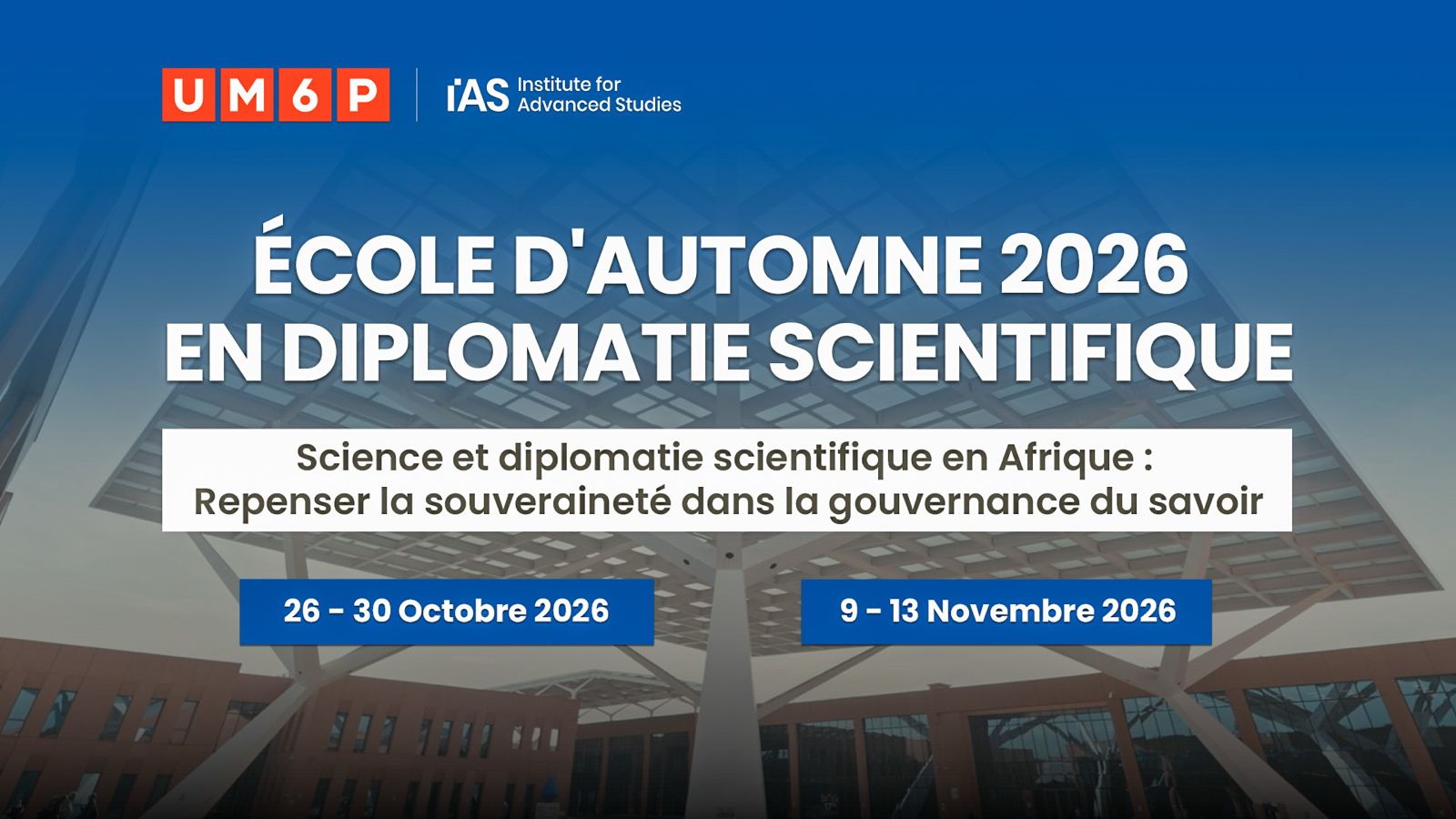
Two digital blocks
A 100% online programme of lectures, panels, and discussions bringing together researchers and practitioners from Africa, Europe, and the Global South.
IAS UM6P launches a multi-component training and research programme exploring how science can strengthen international relations, epistemic justice, and sovereign knowledge governance from Africa and the Global South.
2026 Science Diplomacy Programme
Science and Scientific Diplomacy in Africa — Rethinking Sovereignty in the Governance of Knowledge.
A 100% online programme of lectures, panels, and discussions bringing together researchers and practitioners from Africa, Europe, and the Global South.
The Fall School examines sovereignty, research security, science-policy capacity, emerging technologies, public diplomacy, and equitable international cooperation.
Participants are invited to submit their texts for an Impact Summary Report, scheduled for publication by UM6P Press — IAS Institute for Advanced Studies in spring 2027.
How the school works: Each contribution follows a 30–40 minute presentation and 30–45 minute discussion format. Morocco local time is shown first; the speaker’s local time follows when relevant.
Digital block I
All sessions are held online. Times are shown first in Morocco local time, followed by the speaker's local time where provided.

26 October · 10:00–10:30 Morocco time
Research Fellow-in-Residence and Director of the Science Diplomacy Program, IAS UM6P Ben Guerir
Welcoming remarks
26 October · 11:00–13:00 Morocco time · 12:00–14:00 Brussels time
A panel on the EU's Global Approach, research and innovation priorities for the MENA region, and practical science-policy cooperation.

26 October · 14:00–15:30 Morocco time · 09:00–10:30 Montreal time
Professor and Director, Institut d’études internationales de Montréal and the Canadian Observatory on Crises and Humanitarian Action
De la sécurité humaine à la décolonisation : inflation conceptuelle et résistances structurelles dans les organisations internationales
26 October · 17:00–18:30 Morocco time · 10:00–11:30 Mexico City time
Co-founder, Asociación Mexicana para el Avance de la Ciencia; Professor, CINVESTAV
Building local capacities at the science-policy interface: training programmes, fellowship schemes, and transferable practices for the Global South
27 October · 12:00–13:30 Morocco time · 12:00–13:30 Lisbon time
Assistant Professor, NOVA School of Science and Technology; Vice-President, Commission on Science, Technology, and Diplomacy
Science Diplomacy: Imperialist Pasts, Enduring Asymmetries, and Decolonial Possibilities
27 October · 15:00–16:30 Morocco time · 10:00–11:30 Montreal time
Professor and Jarislowsky Chair on Trust and Political Leadership, École nationale d’administration publique
La science et l’utilisation de données probantes dans les négociations internationales
28 October · 12:00–13:30 Morocco time
Research Fellow-in-Residence and Director of the Science Diplomacy Program, IAS UM6P Ben Guerir
La diplomatie scientifique contemporaine : hégémonie épistémique, agentivités émergentes et conditions d’une pratique décoloniale
28 October · 15:00–16:30 Morocco time · 10:00–11:30 Quebec City time
Professor and Chair in Science Diplomacy, Université Laval
Two sides of the same coin? On the relationship between science diplomacy and research security
29 October · 15:00–16:30 Morocco time · 10:00–11:30 Falmouth time
Professor and Founding Director, Science Diplomacy Center; Fellow, International Science Council
Education–Research–Leadership Triangulation: Insights for Science Diplomacy
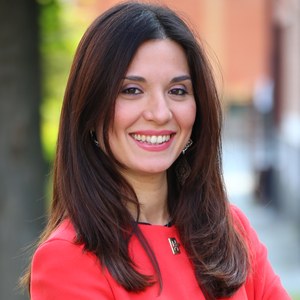
30 October · 10:00–11:30 Morocco time · 11:00–12:30 Torino time
International Relations and Crowdfunding Specialist, Università degli Studi di Torino
From Projects to Partnerships: A Practitioner’s View on EU-Funded Scientific Diplomacy

30 October · 14:00–15:30 Morocco time · 09:00–10:30 Montreal time
Postdoctoral Researcher, IVADO; Lecturer, Université de Montréal
Gouverner l’intelligence artificielle par la diplomatie scientifique : émergence, déploiement et perspectives
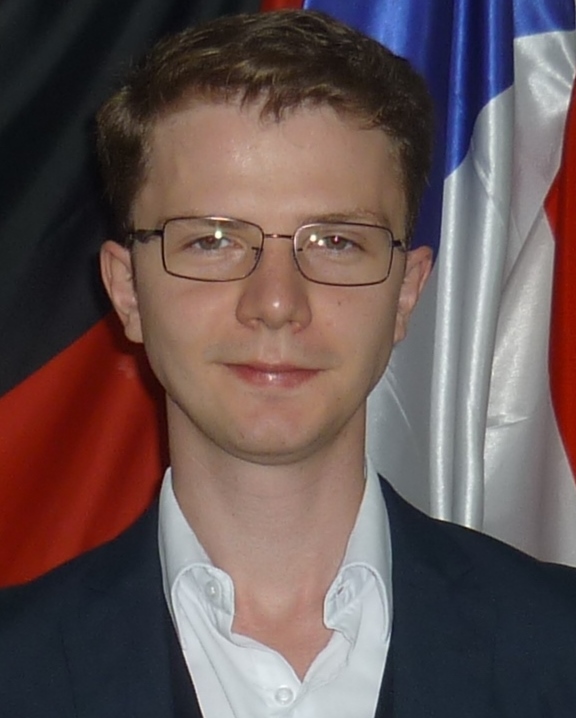
30 October · 16:00–17:30 Morocco time · 11:00–12:30 Montreal time
Postdoctoral Researcher in Political Science and Founder, Forum de Défense et de Stratégie
La diplomatie à l’ère du retour de la souveraineté : entre économie, sécurité et science
Digital block II
All sessions are held online. Times are shown first in Morocco local time, followed by the speaker's local time where provided.
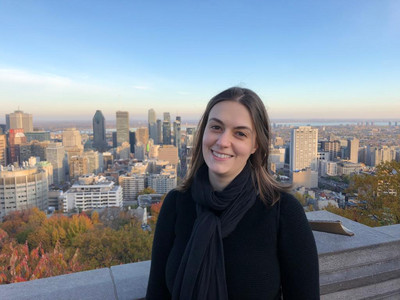
9 November · 13:00–14:30 Morocco time · 08:00–09:30 Montreal time
Doctoral Candidate, Department of Political Science, Université de Montréal
La diplomatie scientifique dans les pays émergents : politiques de science, technologie et innovation et stratégies de développement au Brésil et en Afrique du Sud
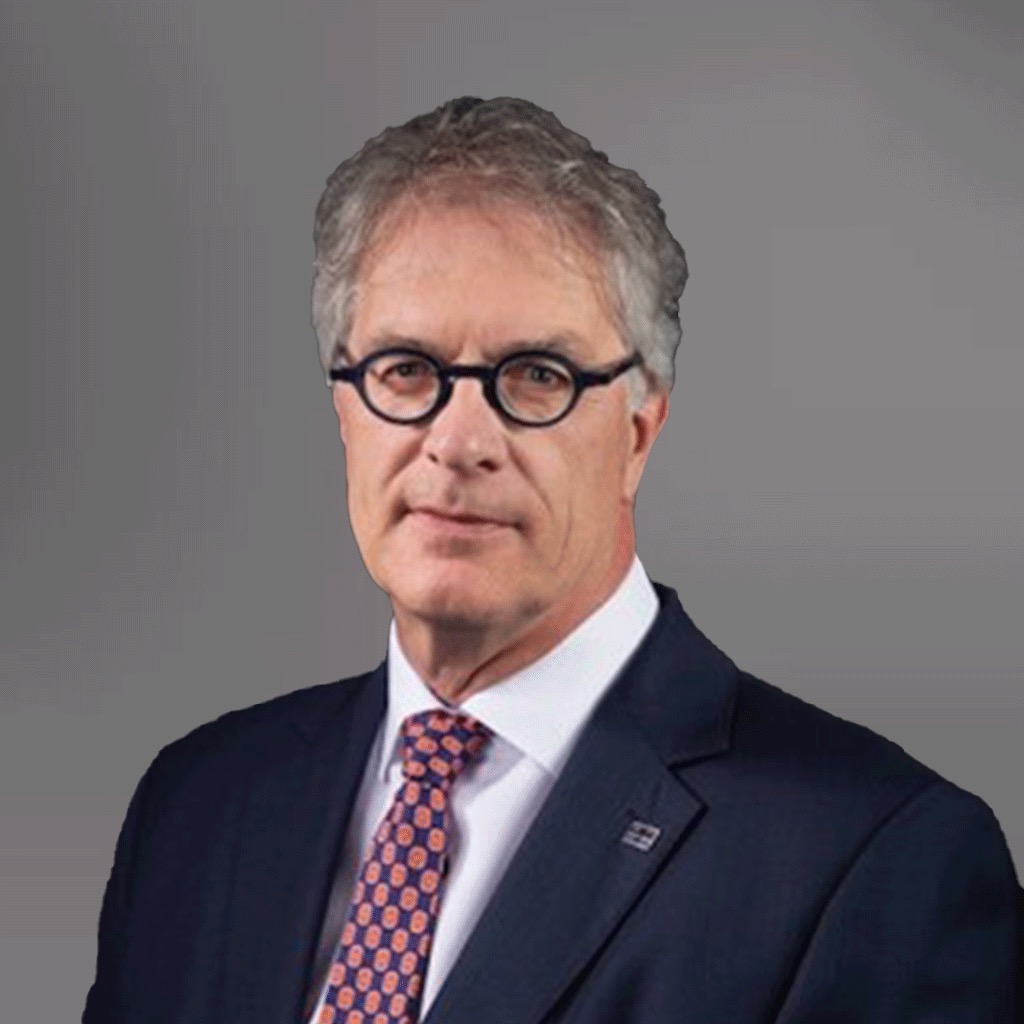
9 November · 15:00–16:30 Morocco time · 10:00–11:30 Montreal time
Professor, HEC Montréal; Centre d’études et de recherches en relations internationales
Le fragile équilibre entre coopération scientifique et souveraineté scientifique
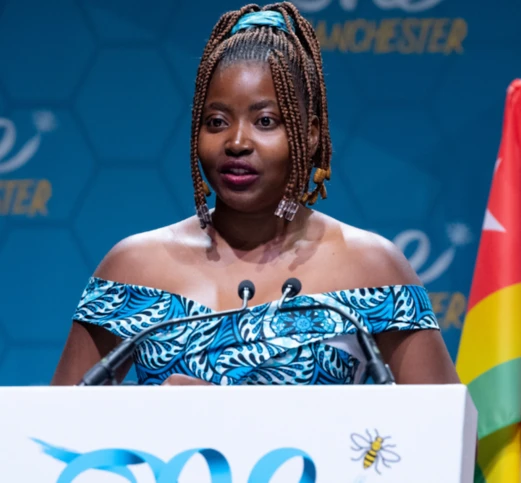
10 November · 13:00–14:30 Morocco time · 08:00–09:30 US Eastern time
Science Director, The Science Diplomat; Genius Education Zambia
AI Governance, Science Diplomacy, and the Global South: Power, Participation, and Emerging Technologies
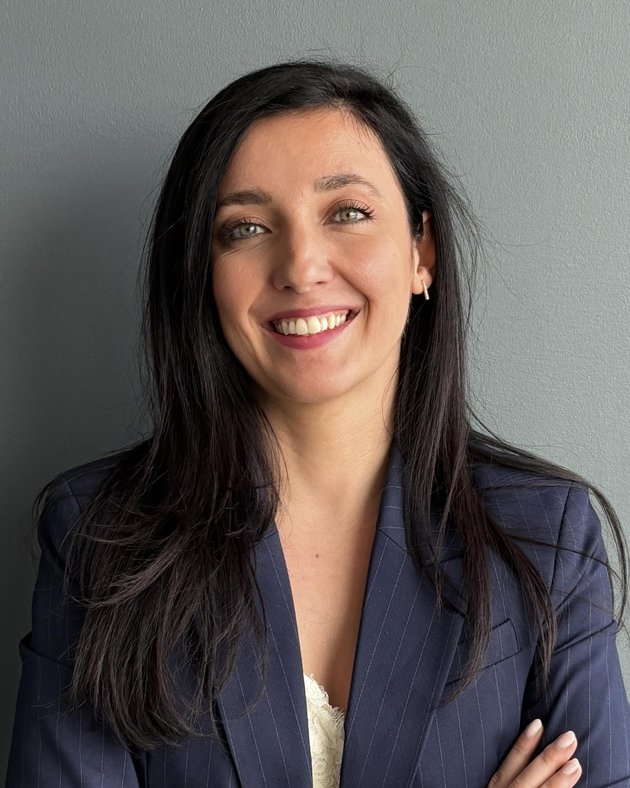
10 November · 15:00–16:30 Morocco time · 10:00–11:30 Sherbrooke time
Postdoctoral Researcher in International Law, University of Ottawa
Diplomatie scientifique et gouvernance des océans : entre innovations juridiques et défis de mise en œuvre des régimes internationaux
11 November · 15:00–16:30 Morocco time · 16:00–17:30 Cape Town time
Steering Committee Member, Science Diplomacy Capital for Africa; Public and Private Sector Specialist, CSIR
Shaping Inclusive Global Futures: Africa, Science Diplomacy, and Emerging Technologies
11 November · To be determined Morocco time
Advisory Council Member, Global Advisory Council, Saudi Arabia
Saudi Arabia’s Vision 2030 and the Future of Science Diplomacy in the MENA Region
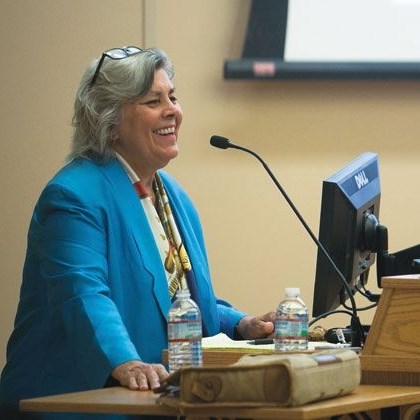
12 November · 13:00–14:30 Morocco time · 08:00–09:30 North Carolina time
Diplomat and Professor of Diplomacy & Communications, UNITAR and International Universities & Diplomatic Institutes
Public Diplomacy, Soft Power, and Influence: Rethinking Strategy in the Age of Global Media
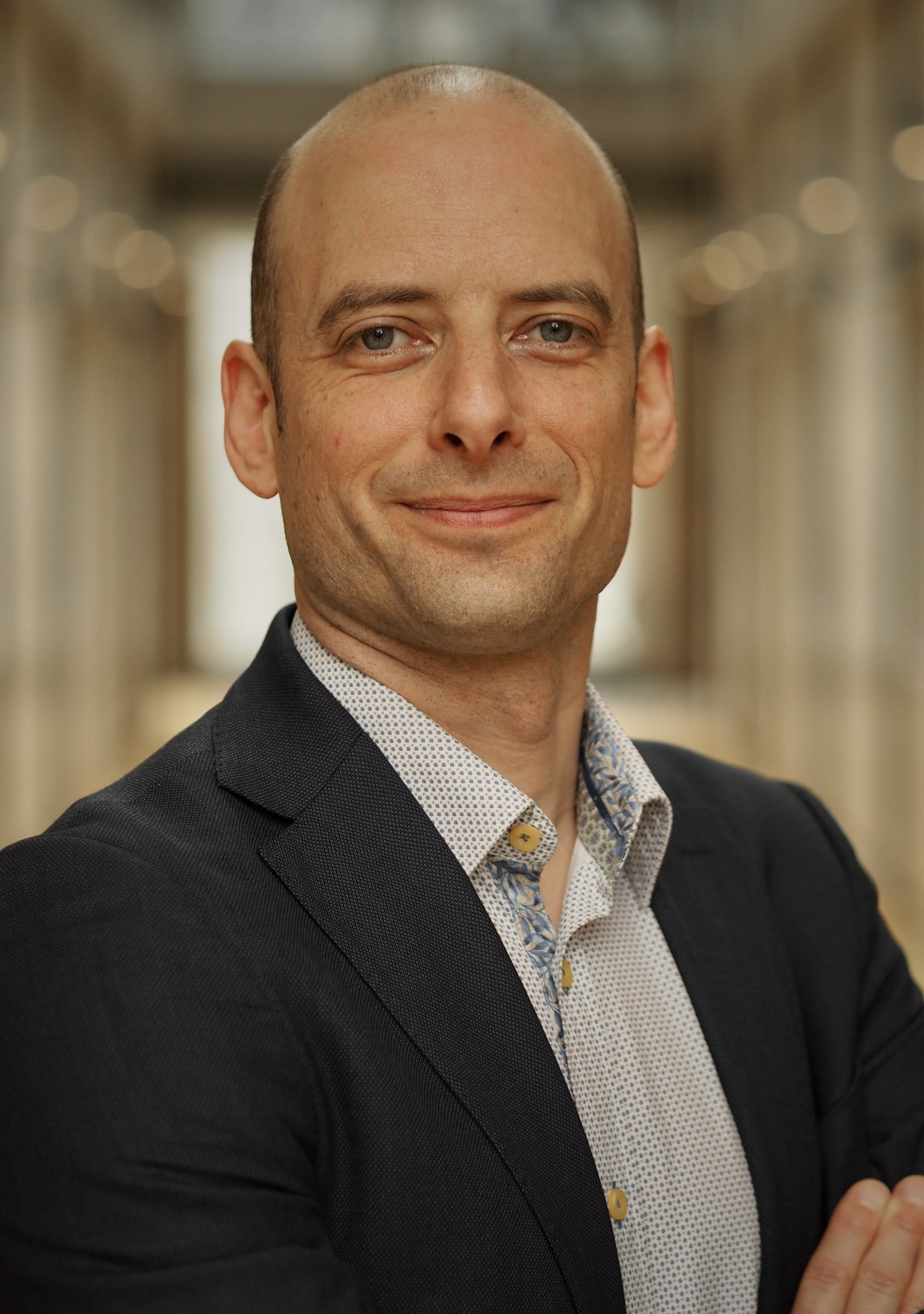
12 November · 15:00–16:30 Morocco time · 10:00–11:30 Montreal time
Strategic Advisor for International Affairs, Fonds de recherche du Québec
Le Réseau en diplomatie scientifique : une initiative du Québec
13 November · 14:00–15:30 Morocco time
Jurist, Laboratory of Constitutional Studies and Analysis of Crises and Policies, University of Marrakech
Between Pressure and Persuasion: Recalibrating Coercive and Science Diplomacy for Sovereign Knowledge
13 November · 17:00–17:30 Morocco time
Research Fellow-in-Residence, IAS UM6P Ben Guerir
Closing remarks
A programme for researchers and practitioners rethinking the place of science in diplomacy, sovereignty, and international governance.
The programme brings together doctoral students, postdoctoral researchers, early-career professionals, diplomats, and policymakers around a shared question: how can scientific institutions contribute to more equitable international relations and more sovereign knowledge systems?
Rooted in a Global South perspective, the 2026 edition prioritises South-South cooperation, co-construction of knowledge, and the recentring of African realities in science diplomacy discourse and practice.
Programme Structure
Learning, reflection, and simulation are sequenced to move participants from concepts to practice.
A research residency programme led by Dr Mounia Benalil, combining lectures, masterclasses, and interactive discussions with international experts in science diplomacy, science policy, and knowledge governance.
Conceived and directed by Dr Mounia Benalil, the Autumn School of Science Diplomacy is an intensive programme on science and science diplomacy in Africa. The course emphasizes sovereignty in knowledge governance, epistemic justice, the integration and recognition of indigenous knowledge, and the strategic role of science in international relations.
A full-immersion diplomatic exercise coordinated by Dr Mounia Benalil, with the participation of Prof. Marie Fall as lead facilitator. The exercise places participants in multilateral negotiations where scientific knowledge informs policy positions and negotiation strategies.
Learning Lab Speaker Programme
The Learning Lab concluded on 30 September 2026. Select any session to read a recap of what was presented and discussed. All presentations contribute to the Impact Summary Report published by UM6P Press - IAS Institute for Advanced Studies in Spring 2027.
8 July · 11:00–12:30 · In-person
Science Diplomacy Research Fellow in Residence, Institute for Advanced Studies (IAS), UM6P Ben Guerir
La diplomatie scientifique : Construire la collaboration mondiale dans un champ contesté
View session recap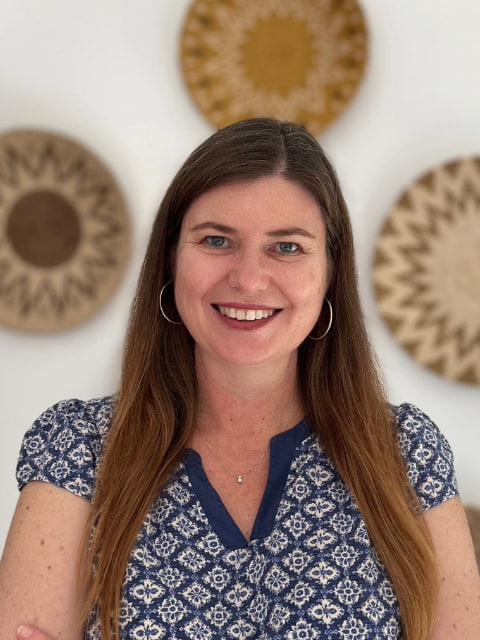
9 July · 14:00–15:30 · Online
Nottingham Trent University / UJ / Loughborough London
The International Geopolitics of Science Diplomacy
View session recap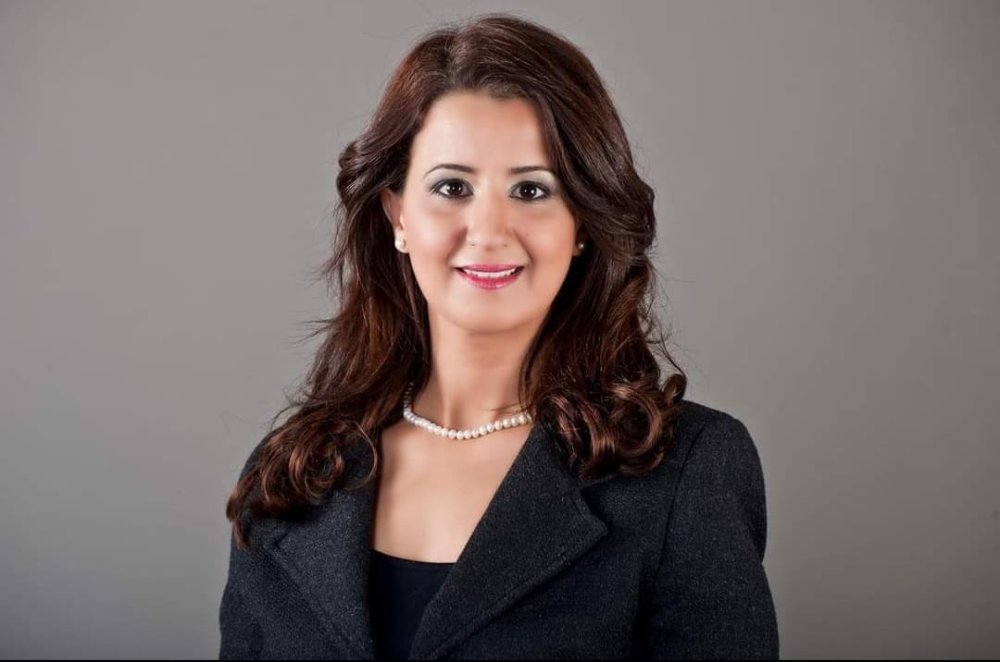
23 July · 11:00–13:00 · In-person
ESEF, Hassan I University, Settat-Morocco
Science, Evidence, and Diplomacy: Morocco at the UN
View session recap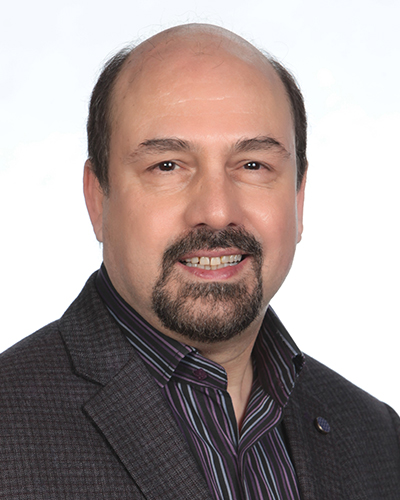
29 July · 15:00–16:30 · Online
Founder, CEO & President, Canadian Science Policy Centre | Senior Fellow, Institute for Science, Society and Policy, University of Ottawa
Lessons from Science Meets Parliament for Africa and the Global South
View session recap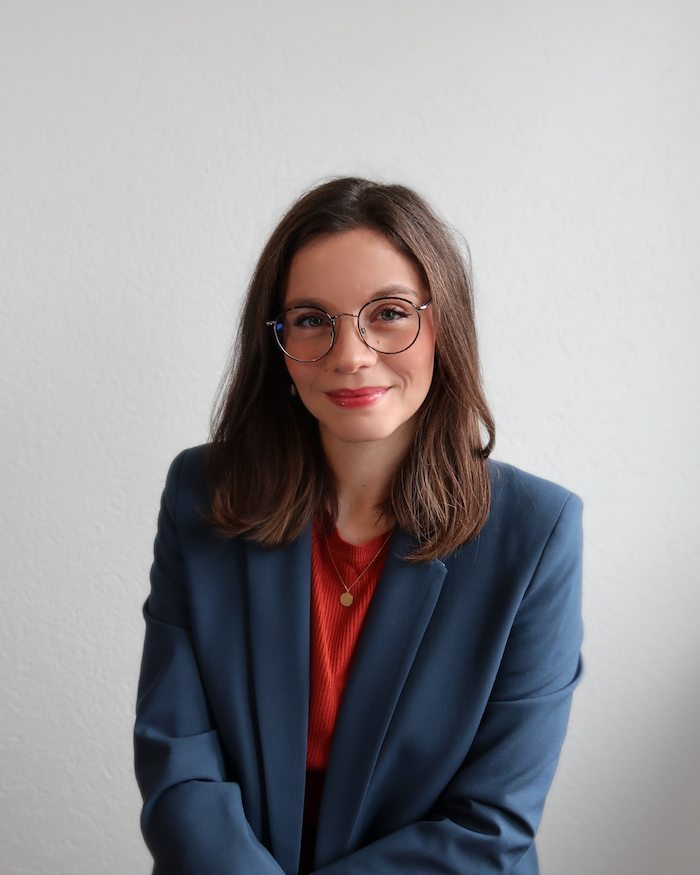
12 August · 14:00–15:30 · Online
Project Lead – Science & Technology, UNU-CPR
La science dans les processus de prise de décision mondiaux
View session recap
11 September · 15:00–16:30 · Online
Chaire Jarislowsky sur la confiance et le leadership politique, ENAP | UQTR | Directeur GERIQ & CEIM
Fondements et pratique de la diplomatie
View session recap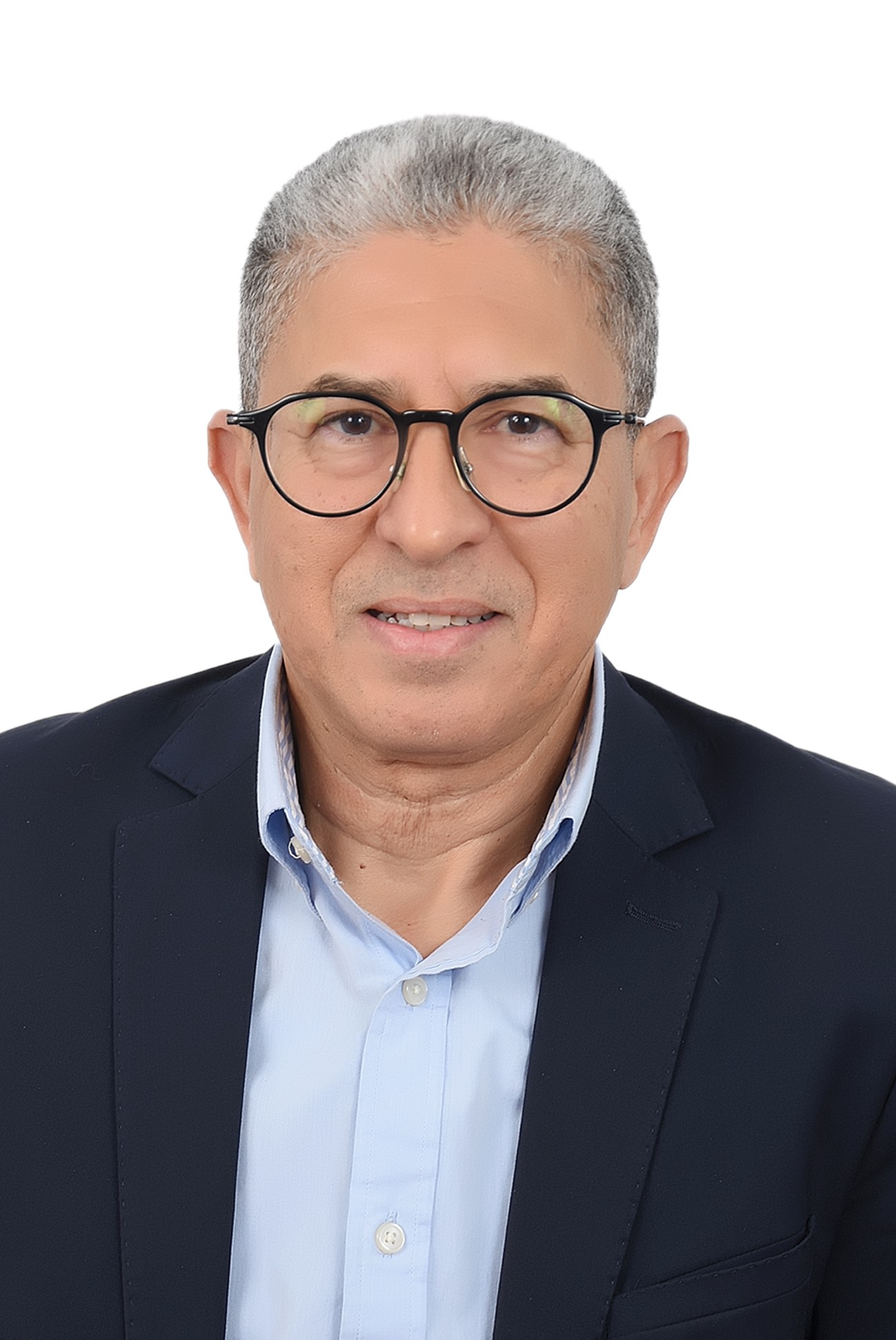
14 September · 11:00–13:00 · Online
University Abdelmalek Essaadi | Vice-Chair IFBA
Rôle des universités dans la diplomatie scientifique
View session recap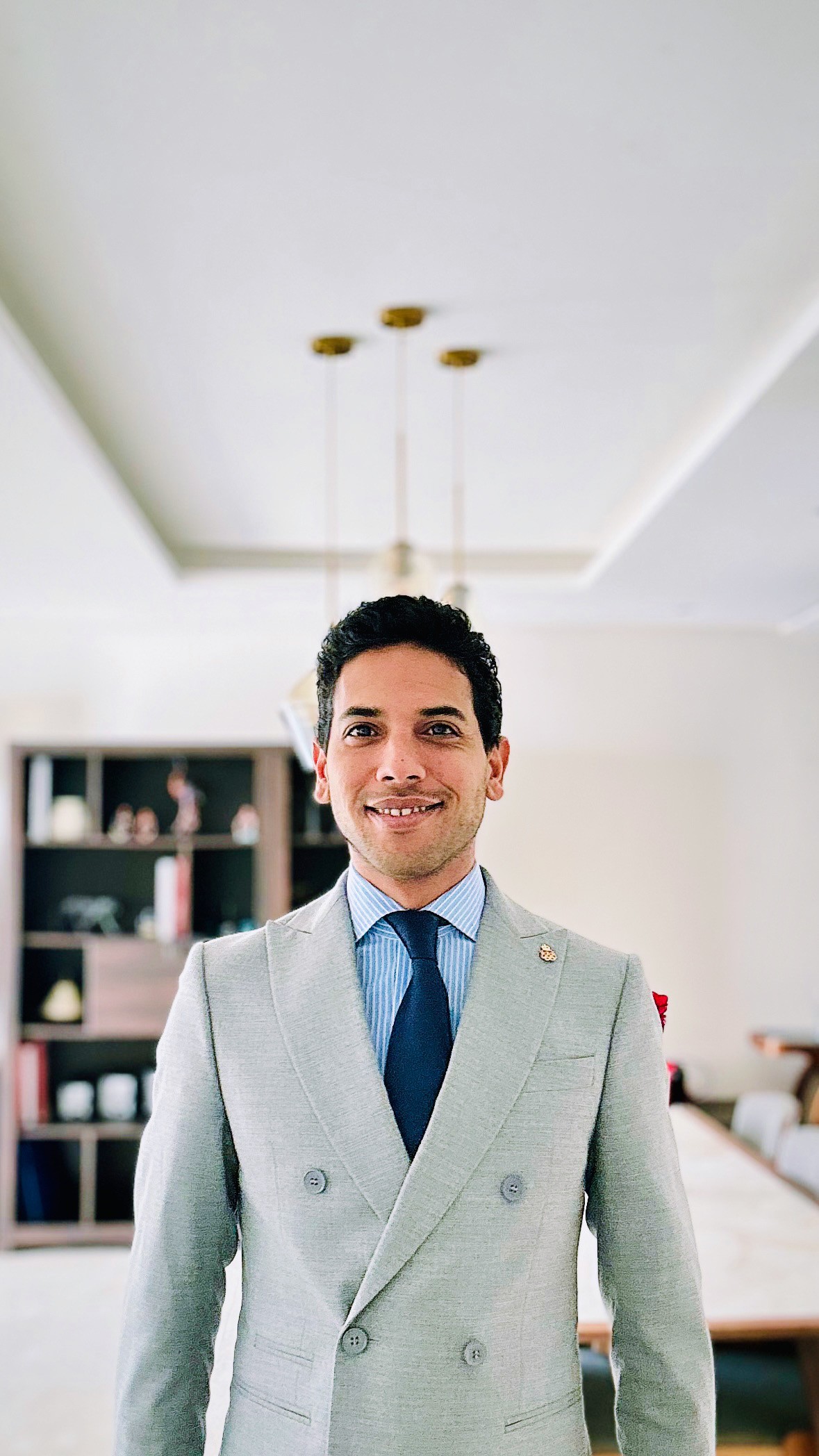
14 September · 15:00–16:30 · In-person
Head of EGDI Research Team at SUP MTI Rabat
Diplomatie, soft power et proximité culturelle
View session recap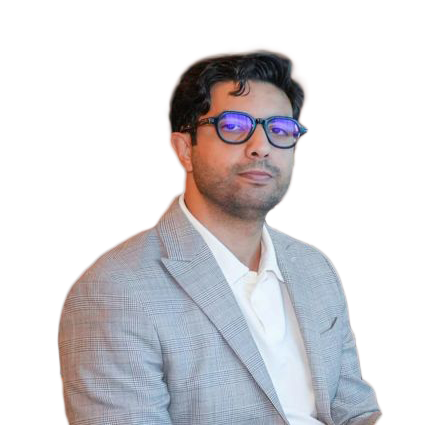
16 September · 11:00–13:00 · In-person
Head of Innovation and Creativity Dept and Science Diplomat ICESCO
Beyond Borders: Science Diplomacy as a Mechanism for More Effective South–South Cooperation
View session recap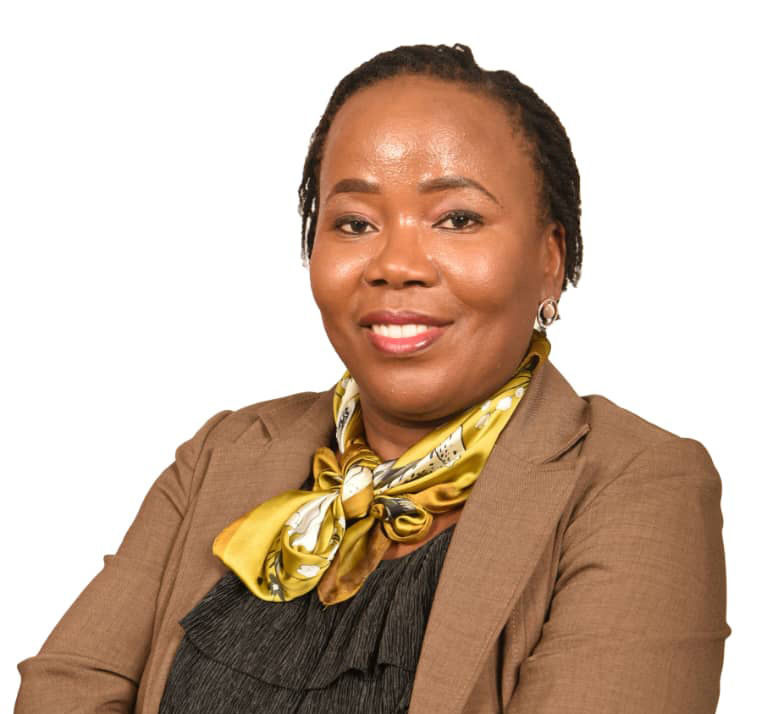
17 September · 13:00–14:30 · Online
Vice President OWSD Botswana Chapter | Aphrike Research President
African women scientists drive science diplomacy
View session recap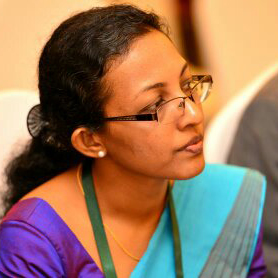
24 September · 11:00–12:30 · Online
National Science Foundation, Sri Lanka
Science Diplomacy: national & regional approaches
View session recap30 September · 13:00–15:00 · Online

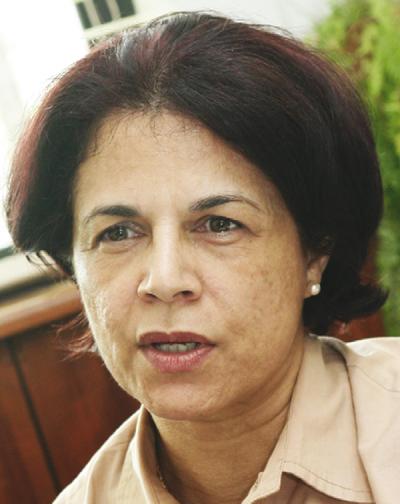
Masterclass: African Women Scientists Driving Science Diplomacy in Times of Crisis
View session recapLearning Lab 2026 · Concluded 30 September
From 8 July to 30 September 2026, the first Science Diplomacy Learning Lab hosted at a Moroccan university brought a cohort of UM6P doctoral students and early-career researchers into direct dialogue with practitioners and scholars of science diplomacy.
Participants worked with the reference frameworks of the field (science in diplomacy, diplomacy for science, science for diplomacy, diplomacy in science) and with a critical reading of who defines them, from a Global South and African perspective.
Morocco's evidence-based diplomacy at the UN, Canada's Science Meets Parliament, the UN Secretary-General's Scientific Advisory Board, ICESCO's South-South computing initiative, Sri Lanka's national approach and African women's scientific leadership in times of crisis.
Translating evidence for decision-makers, communicating research in plain language, understanding how governments and international organisations work, and building relationships before they are needed.
The full cohort continues into the Autumn School on 26 October, where these foundations are deepened around science, sovereignty and knowledge governance in Africa, before being put into practice in the immersive diplomatic simulation at UM6P Ben Guerir. The Learning Lab presentations also feed the Impact Summary Report published by UM6P Press in Spring 2027.
Who Should Join
Key Dates
The 2026 edition runs from July through December, with report publication planned for Spring 2027.
Programme Direction
IAS UM6P Resident, July-December 2026
The programme is directed by Dr Mounia Benalil, whose research project, La Science au Parlement, examines the role of scientific expertise in parliamentary processes and explores pathways towards African scientific diplomacy sovereignty.
Dr. Benalil brings extensive expertise in science policy, science advice, applied research, knowledge mobilisation, and international cooperation, grounded in her experience within research ecosystems in Canada.
Session recap