
03
Apr
2025
 Alumni
Humanities & Social Sciences
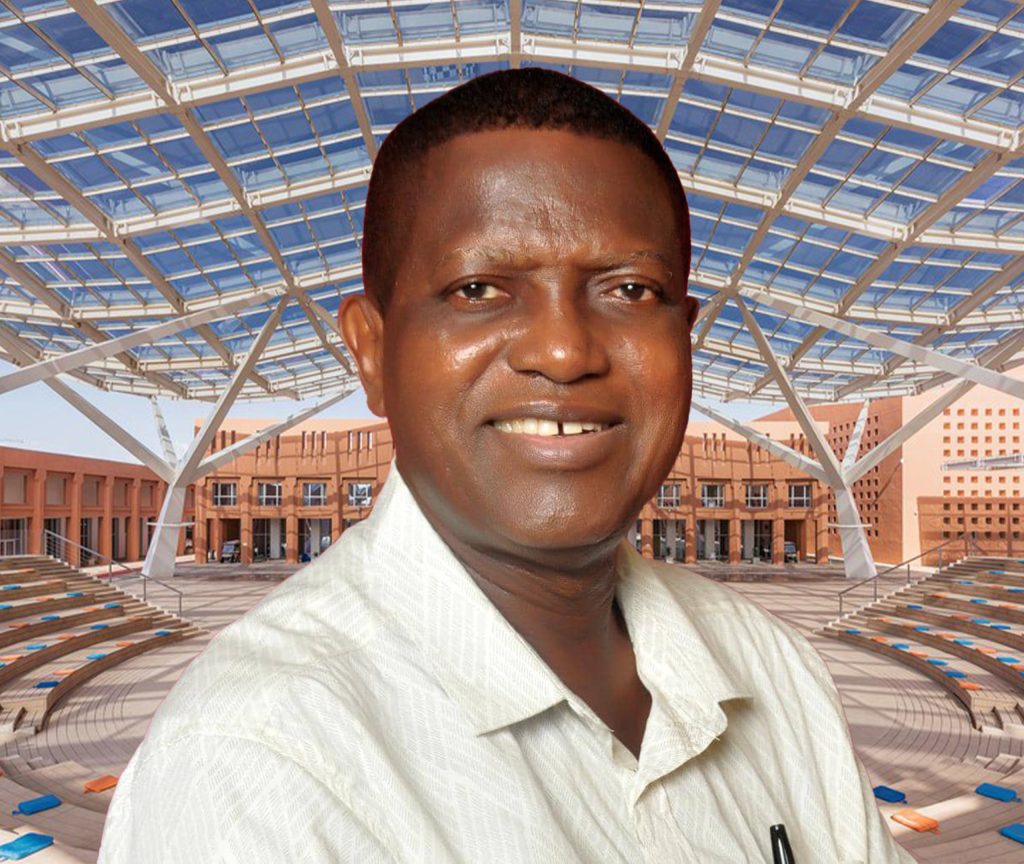
Dr. Wale Okediran
Resident Researcher
General of the Pan African Writers Association, Nigeria
Jan 2025 – Apr 2025
Biography
Dr. Okediran is a globally acclaimed literary figure, having published 14 novels, many of which have earned prestigious local and international awards. His renowned works include Dreams Die at Twilight, shortlisted for the NLNG Nigerian Literature Prize, and Tenants of the House, a fictional account of his time in the Nigerian Parliament, which was co-winner of the Wole Soyinka Prize for African Literature and adapted as a motion picture streamed globally on Netflix. Beyond his literary achievements, Dr. Okediran is the Secretary General of the Pan African Writers Association, where he continues to champion the role of literature in fostering dialogue and cultural exchange across the continent.
A former member of the Nigerian Parliament (2003–2007), Dr. Okediran played a pivotal role in drafting the National Health Bill and advancing legislation in health, education, culture, and other key sectors. In addition, he has worked extensively in the field of public health, consulting for international organizations such as UNAIDS, UNICEF, and ActionAid. He also founded Nigeria’s first writers’ residency, the Ebedi International Writers Residency, which has hosted over 350 writers from 12 African countries since its inception in 2010.
Research Areas
Medical HumanitiesCreative WritingLiterature & SocietyNarrative StudiesCultural StudiesTravel Literature
Residency at IAS UM6P
During his guest residency at the UM6P Institute for Advanced Studies, Dr. Wale Okediran contributed to the intellectual and cultural life of IAS through a series of interdisciplinary engagements centered on literature, medicine, and public life. His stay focused on advancing dialogue around the medical humanities and the role of storytelling in shaping ethical reflection, civic responsibility, and social awareness.
A major highlight of his guest period was the organization and facilitation of the Writing Workshop Series at IAS, where he mentored students and early-career writers in creative writing, narrative development, and travel literature. These workshops provided participants with practical tools for storytelling while encouraging reflection on identity, society, and lived experience. The initiative strengthened the presence of literary practice within the UM6P ecosystem and fostered meaningful exchange between disciplines.
In addition to the workshops, Dr. Okediran delivered lectures and participated in discussions that bridged literature, healthcare, and politics, illustrating how narrative can serve as a powerful medium for empathy, education, and leadership. His guest stay thus combined mentorship, public engagement, and intellectual exchange, reinforcing IAS’s commitment to integrating the humanities within broader scientific and societal conversations.
Residency Periods 1
Jan 2025 – Apr 2025
Past
Events & Seminars 3
06
Feb
2025
02
Feb
2025